
Twenty states, including Missouri (section 160.663 of Missouri’s Senate Bill 68 (2025)) are mandating school districts and charter schools install bullet-resistant window films on the glass of exterior doors and entryways.
The mandate is part of a broader school safety initiative that also includes anti-intruder door locks. School doors installed after August 28, 2025, must incorporate these security features. Existing doors must be retrofitted with bullet-resistant window film by July 1, 2029, pending state appropriation.
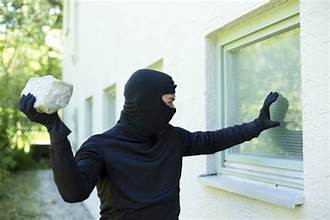
Ballistic film is a heavy-duty security window film system designed to reinforce existing glass against forced entry attempts, contain shattered glass fragments, and delay unauthorized entry during active shooter situations or break-ins. These protective glazing solutions have become a critical layer in comprehensive school security strategies, offering educational facilities measurable protection without complete window replacement.
Security window films bond to the interior surface of existing glass using specialized adhesive-laminated polyester. The film provides fragment containment capabilities that hold glass in place after impact, preventing shards from injuring occupants and slows attempts to gain entry. The film will not stop bullets, but it will protect against sharp or blunt weapons and allow extra time for lockdown procedures and emergency response.
Forced entry resistance is needed in schools, rather than bullet resistance. An effective solution for most educational facilities combines quality security film with proper frame anchoring, creating meaningful delay without the cost of complete ballistic glazing replacement.
Schools must maintain proper access control, conduct regular drills, and ensure staff understand which windows and doors offer enhanced protection. Security film becomes one layer within a multi-layered approach to school security.
Ballistic film and secure glazing represent powerful tools within school safety strategies, but they require proper selection, installation, and integration with broader security measures. Understanding the distinction between forced entry delay and true bullet resistance prevents costly misalignment between purchased protection and actual threats.
- Conduct a security assessment to identify priority windows and doors based on access patterns and vulnerability
- Request proposals from multiple vendors with verified test reports showing ASTM F3561 or UL 752 certification
- Develop phased budget plans that address highest-risk areas first
- Research available grant funding at federal and state levels before finalizing budgets
- Schedule installation during extended breaks to minimize disruption
Schools implementing window protection should also evaluate related security topics: access control systems that work in conjunction with protected entrances, emergency response planning that accounts for enhanced protection zones, and staff training programs ensuring personnel understand lockdown procedures and installed system capabilities.
Multiple standards govern different aspects of security glazing performance:
- Bullet Resistance:Defines levels 1-10 based on ammunition type and impact resistance. For school windows, Levels 1-3 address common handgun threats. True bullet resistant glazing requires this certification ($70-$100+ per square foot)
- Burglary Resistance:Addresses physical intrusion resistance against tools commonly used in break ins; forced entry scenarios without ballistic components ($12-$40 per square foot)
- Accidental Human Impact: While not security-focused, these remain mandatory in many school locations and must be maintained when upgrading to security film.
International Building Code (IBC) Chapter 24 governs glass and glazing requirements, with Section 2406 specifically addressing safety glazing. Schools must maintain compliance with safety glazing requirements in hazardous locations adjacent to doors, large panes, and panels with low bottom heights.
Fire-rated glazing adds complexity. When existing windows have fire ratings, replacement or retrofit glazing must maintain equivalent fire performance while adding security features. Combining fire performance, safety impact ratings, and security or ballistic performance significantly limits product options.
State and local variations matter. Many jurisdictions adopt IBC with amendments, and some now require security glazing in specified zones like entrance vestibules and administrative offices. Older schools may have glazing predating modern code requirements, creating both compliance obligations and upgrading opportunities.
Installation feasibility depends on several factors: glass substrate type, window size, frame strength, and available space for film or replacement glazing. Existing frames may not support thicker glazing systems, requiring frame reinforcement or complete replacement. Some older window systems cannot accommodate security films without modification.
Professional installation is mandatory for security-rated applications. DIY installation or work by uncertified contractors typically voids product ratings and may create liability issues. Manufacturer certification for installers ensures proper techniques are followed.
Quality security films and glazing systems typically carry warranties of 5-10 years covering optical clarity, coating integrity, and adhesion. Actual service life often extends to 10-15 years with proper maintenance. UV exposure, moisture, cleaning methods, and mechanical damage affect longevity. Schools should plan for eventual replacement and include these costs in long-term security budgets. Regular inspections identify deterioration before protective performance diminishes.
State funding for security projects is available to make improvements feasible. Schools can also stagger their security upgrades over the course of several years to spread the costs out. Working with the local sheriff, a security consultant, or a ballistic barrier company who can make recommendations is a great place to start.
With the growing awareness of issues related to school safety and security, these types of mandates are likely going to become a more integral part of the broader, ongoing effort to secure educational institutions across the country.
Sources:
https://www.tssbulletproof.com/blog/school-physical-security-legislation
https://www.riotglass.com/glass-hardening-mandate-schools/
https://www.defenselite.com/blog/ballistic-film-for-schools/