
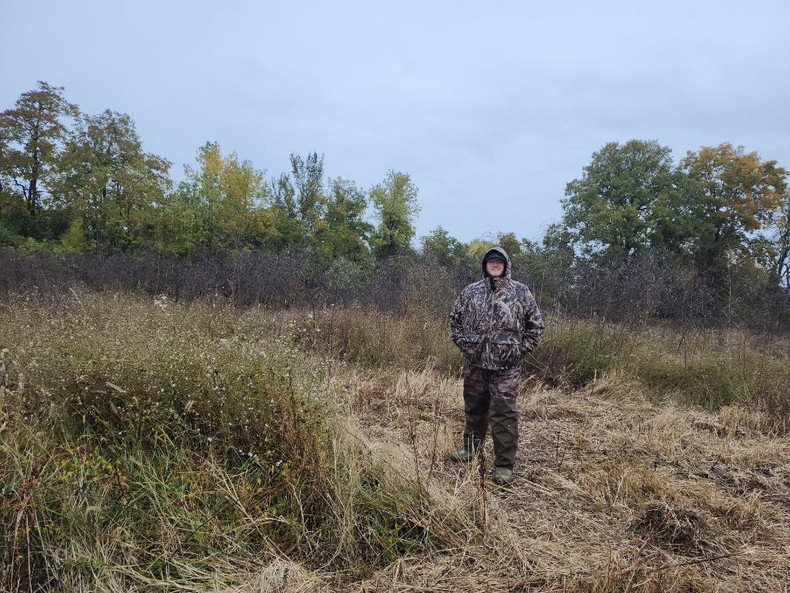
Waterfowls are aquatic birds that have webbed feet and oily feathers with a waterproof outer layer. Their broad bills often have fringe on the side to help filter food. Their physical attributes allow them to find food and shelter in wetlands, lakes, rivers, and coastal areas (everywhere except Antarctica). They congregate in large flocks at resting and feeding spots. Some nest on the ground, while others nest in tree cavities. Many species are migratory, flying long distances between breeding and wintering grounds.
Waterfowls are good hunting birds because of their migratory patterns, excellent vision, and behavior. They are abundant in certain seasons, and their flocking behavior allows them to be attracted to decoys and calls. Waterfowl hunting requires significant skill in scouting, concealment, knowledge of weather patterns and calling.
Flooding fields for hunting waterfowl has been practiced as early as the 1959-1960 season. This practice is becoming increasingly important. As natural wetlands decrease, waterfowl become more reliant on flooded agricultural fields for food and shelter. This forces hunters to adapt their strategies and equipment to the new environment.
Flooded fields become prime hunting grounds because they concentrate waterfowl into a single location. Grain crop fields create an attractive habitat by providing high-energy food. Slow flooding begins in mid-August to encourage seed production in plants like millets and smartweed, which provide food for a longer period. Slowly increasing the water level throughout the season, with the goal of being fully flooded by mid-December.
Ideal fields
- Good water retention
- Gentle slopes
- Existing drainage infrastructure
- Proximity to natural wetlands
- Suitable vegetation
Effective water management
- Gradually flood the field to a depth of 12-18 inches.
- Begin flooding in the fall, coinciding with waterfowl migration.
- Use a reliable and sustainable water source.
- Preventing Stagnation
- Promoting Water Circulation
- Drain Slowly
Manage vegetation
- Plant Native Species
- Control of Invasive Species
- Disking or Mowing
- Prescribed Burning
Benefits
- Increased Waterfowl Habitat
- Improved Water Quality
- Flood Control
- Increased Biodiversity
Drawbacks
- Mosquito Breeding
- Water Quality Degradation
- Spread of Invasive Species
- Impacts on Adjacent Landowners
Hunters must adapt to the challenges of finding adequate cover in an open, muddy, wet field. During the winter, fields are apt to freeze, which makes the process difficult for both the bird and hunter. The forced concentration of birds can lead to a shortage of food. There are also concerns about the fairness and long-term effects flooding has on behavior and migration.
Although it is currently legal in the United States some hunters believe flooding cornfields is a form of legalized baiting. While the practice is not new, the laws surrounding it have been clarified over time to better define what constitutes "baiting" versus legal, normal agricultural practices. It is generally legal to flood a field with crops left in it, such as unharvested corn. It is illegal to manipulate a harvested field by adding bait or grain to the water to attract birds for hunting purposes.
The Migratory Bird Treaty Act is a cornerstone of waterfowl protection; primarily addressing hunting regulations and habitat manipulation. The U.S. Fish and Wildlife Service enforces the regulations and provides guidance on legal hunting practices. The Clean Water Act administered by the Environmental Protection Agency also comes into play, particularly regarding water sources and potential pollution from flooded fields. Activities that impact wetlands and navigable waters may require permits from the Army Corps of Engineers.
Each state has its own set of rules and regulations pertaining to waterfowl hunting and habitat management. These regulations usually elaborate on federal laws. Municipal governments may have additional rules.
The Department of Natural Resources is a good place to find information regarding:
- Water rights:
- Permits
- Time restrictions
- Vegetation management
- Hunting zones and distances from roads/structures
Sources:
https://thegunzone.com/can-you-flood-a-field-for-duck-hunting/