
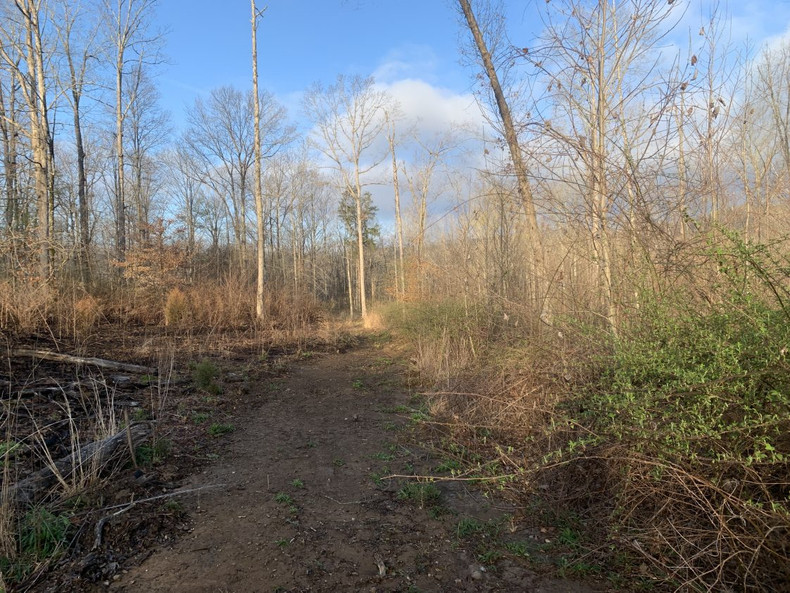
Farmers have been frosting seeding pastures for more than 100 years. It is one of the less laborious methods to create many small food plots for deer and turkey. This technique uses natural freeze-thaw cycles to work small seeds like clover and chicory into bare soil.
Key steps:
- Preparing the plot
- Broadcasting seeds using a shoulder spreader
- Focusing on species like clover and chicory
Freeze-Thaw Cycle: Water in the soil expands as it freezes, creating cracks; when it thaws, the soil settles, pulling seeds down to make good seed-to-soil contact. This keeps the seed from germinating until there is a good moisture supply in early spring.
Site Selection
Select sites that are not littered with dead grass, weeds, and thatch. Don’t choose sites that are rocky, swampy, or sandy. This soil does not swell or shrink during the freeze-thaw cycle. Prosperous sites include old logging roads, log landings, edges of old fields, openings in pine plantations, and overgrazed spots in food plots or pastures.
Some plots may be large enough to hunt, but more likely many will be small. All plots increase food availability for deer. Improved deer habitats result in more wildlife on the property.
Timing
The best time for frost seeding is in late winter or early spring when the last snow occurs. Ground should be frozen hard enough to walk on, with nighttime temperatures below freezing and daytime temperatures above freezing (a consistent freeze-thaw pattern). Frost seeding can be done over a light snow, but attempting on heavy snow cover increases the likelihood of the seeds being washed away with the runoff.
Plant Species
Not all plant seeds are ideal for frost seeding. For long-term food plots, cool season perennials such as white clover, red clover, alfalfa, durana clover, kura clover, nontypical clover, ladino clover, trefoil, and chicory work best. For short term food plots, cool season annuals such as wheat, rye, or oats can be frost seeded, as can cool season brassicas. The downside of some of these annuals is that their seeds are larger and easier for crows, quail, grouse, wild turkey, and birds to see. They may be eaten before having an opportunity to germinate.
Seeding Techniques
It is best to use a broadcast hand-operated seeder or seeder mounted on an ATV. Usually they can be adjusted for the seed size you are planting, and it is easier to seed at the recommended rate. Use about 1/3 to 1/2 the normal rate for established stands (filling holes), but some experts suggest double for bare spots. Spread seed in patterns (clockwise, then diagonally) or focus on bare patches.
Fertilization
Each frost seeding site is a valuable part of your overall habitat management plan. For peak production each food plot should have a soil test performed, and depending on the test, be limed and fertilized. Mark the soil plots so you can find them later in the spring. Apply lime before seeding; fertilizer can wait until seeds emerge.
Key Benefits:
- Saves money on equipment and labor
- Simple technique and requires minimal tools
- Proven method for establishing clover plots
- Quick growth of plants to cover exposed soil
- Improves pastures
- Quick germination attracts and feeds deer and turkeys
- Improves soil health; nitrogen-fixing properties
Sources:
Whitetails Unlimited
North Mountain Pastures
Green Cover